
Revolutionizing Dexterous Manipulation with Egocentric Videos
A new system enhances robot dexterity using egocentric video data.
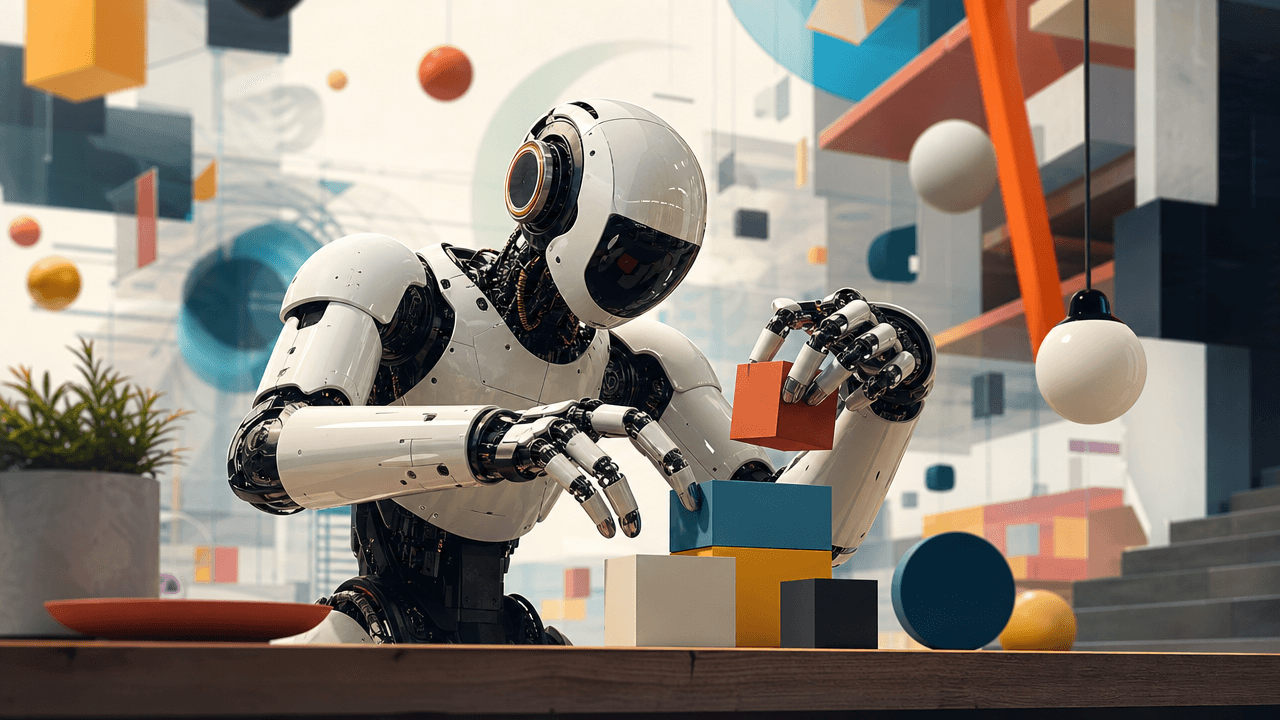
Researchers have developed EgoSteer, a robotic system that teaches machines dexterous manipulation by watching first-person videos of human hands performing tasks. The [arXiv research](https://arxiv.org/abs/2607.09701) addresses a fundamental bottleneck in robotics: the scarcity of high-quality demonstration data needed to train robots for complex hand movements.
Learning from Human Perspective
Traditional robotic training relies on expensive, manually collected datasets that capture robot movements from external cameras. EgoSteer flips this approach by using egocentric video footage - recordings from the perspective of someone performing a task with their hands. This creates a vast new source of training material, since first-person videos are abundant online and relatively cheap to produce.
The system processes these videos to extract detailed information about hand positioning, object manipulation, and task sequences. It then translates this human demonstration data into instructions that robotic hands can follow. The key innovation lies in bridging the gap between human hand anatomy and robotic mechanisms, allowing robots to mimic the essential aspects of human dexterity without requiring identical physical structures.
Scaling Beyond Current Limitations
Most existing robotic manipulation systems suffer from three critical weaknesses: limited training data, poor alignment between language instructions and actions, and insufficient precision in recorded movements. EgoSteer tackles all three by tapping into the enormous repository of first-person videos available online.
The system incorporates natural language processing to connect spoken or written instructions with the visual demonstrations in videos. When someone says "pick up the cup" while performing the action on camera, EgoSteer learns to associate those words with the specific hand movements required. This language alignment enables more intuitive robot control and reduces the need for specialized programming knowledge.
Technical Architecture
The full-stack system combines computer vision, motion planning, and control algorithms. It first analyzes egocentric videos to identify key hand poses and object interactions. Machine learning models then generate corresponding robotic movements that achieve similar outcomes, accounting for differences between human hands and robotic grippers.
The researchers designed EgoSteer to work with various robotic hand configurations, making it adaptable across different hardware platforms. This flexibility means the same training approach can improve performance for industrial robotic arms, research platforms, and future consumer robots.
Economic Impact on Robotics
This approach could dramatically reduce the cost of developing versatile robotic systems by eliminating the need for expensive, custom data collection for each new task. Companies building service robots or industrial automation systems typically spend significant resources creating training datasets - EgoSteer makes existing video content a viable alternative training source.
The technology pressures traditional robotics companies that rely on proprietary datasets and specialized programming approaches, while potentially accelerating development timelines for startups and research institutions with limited budgets.
