
Revolutionizing Cinematic Video Generation with ShotPlan
ShotPlan introduces a framework for cinematic video generation, enhancing narrative coherence and multi-shot composition.
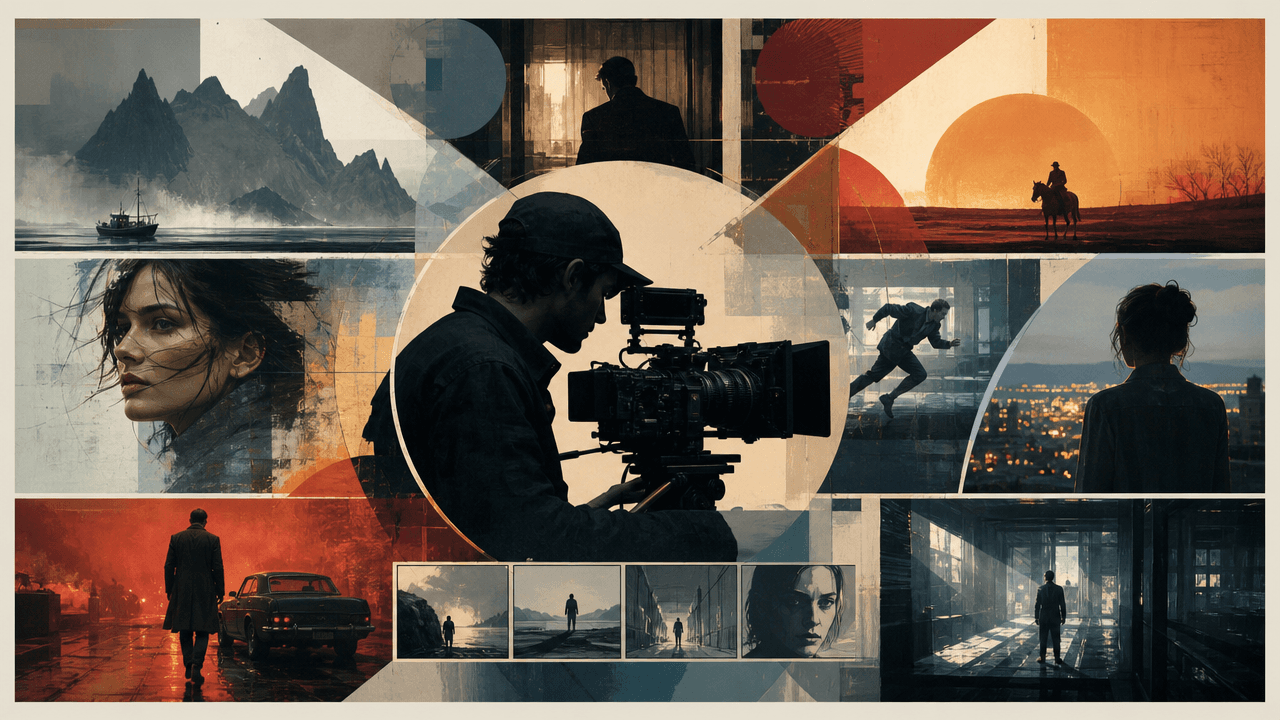
AI video generators can create stunning single shots, but they fall apart when trying to tell coherent stories across multiple scenes. Researchers have developed ShotPlan, a new framework that brings explicit shot planning to AI video generation, addressing one of the biggest barriers to cinematic storytelling in generated content.
The Missing Link in AI Filmmaking
Current video generation models produce impressive individual clips but lack the narrative coherence needed for professional filmmaking. They struggle with maintaining visual consistency between shots, planning camera movements that support the story, and creating the kind of deliberate composition that separates amateur footage from cinematic work.
ShotPlan changes this by incorporating shot planning directly into the generation process. The framework considers how each shot relates to others in the sequence, maintaining visual and narrative threads that current models miss. Instead of generating isolated clips, it creates connected sequences where camera angles, lighting, and composition work together to support the story.
How Shot Planning Works
Traditional filmmaking relies heavily on pre-production planning. Directors and cinematographers map out each shot before cameras roll, considering factors like camera placement, movement, framing, and how shots will cut together. This planning phase determines much of what separates professional content from random footage.
The [arXiv / Pensioner-11](https://arxiv.org/abs/2607.17675) research introduces this concept to AI video generation. ShotPlan analyzes the narrative requirements of each scene and generates shots that follow cinematic principles. The system considers continuity between shots, ensuring that camera movements and framing choices support rather than distract from the story being told.
The framework addresses specific technical challenges that have limited AI video generation. It handles shot-to-shot transitions more effectively, maintains consistent lighting and color grading across sequences, and generates camera movements that feel intentional rather than random.
Impact on Creative Industries
This development could significantly reduce production costs for independent filmmakers and content creators. Shot planning typically requires experienced cinematographers and extensive pre-production time. Automating this process makes sophisticated visual storytelling accessible to creators who lack traditional film training or large budgets.
The technology also addresses a bottleneck in content creation workflows. Many creators can write compelling stories but struggle with the technical aspects of visual storytelling. ShotPlan bridges this gap by translating narrative intent into specific camera and composition choices.
For established production companies, the framework offers potential efficiency gains in pre-visualization and planning stages. Directors could rapidly prototype different shot sequences and explore visual approaches before committing to expensive production decisions.
Beyond Single Shots
ShotPlan represents a shift from treating AI video generation as a special effects tool toward using it for complete narrative construction. The framework moves beyond impressive but disconnected clips toward coherent visual storytelling that follows established cinematic principles.
This makes professional-quality video production accessible to creators without traditional film industry resources while potentially streamlining workflows for established productions.
