
How the terrorist group Boko Haram uses frontier AI
A report reveals Boko Haram's use of advanced AI technologies to enhance their operational capabilities and strategic planning.
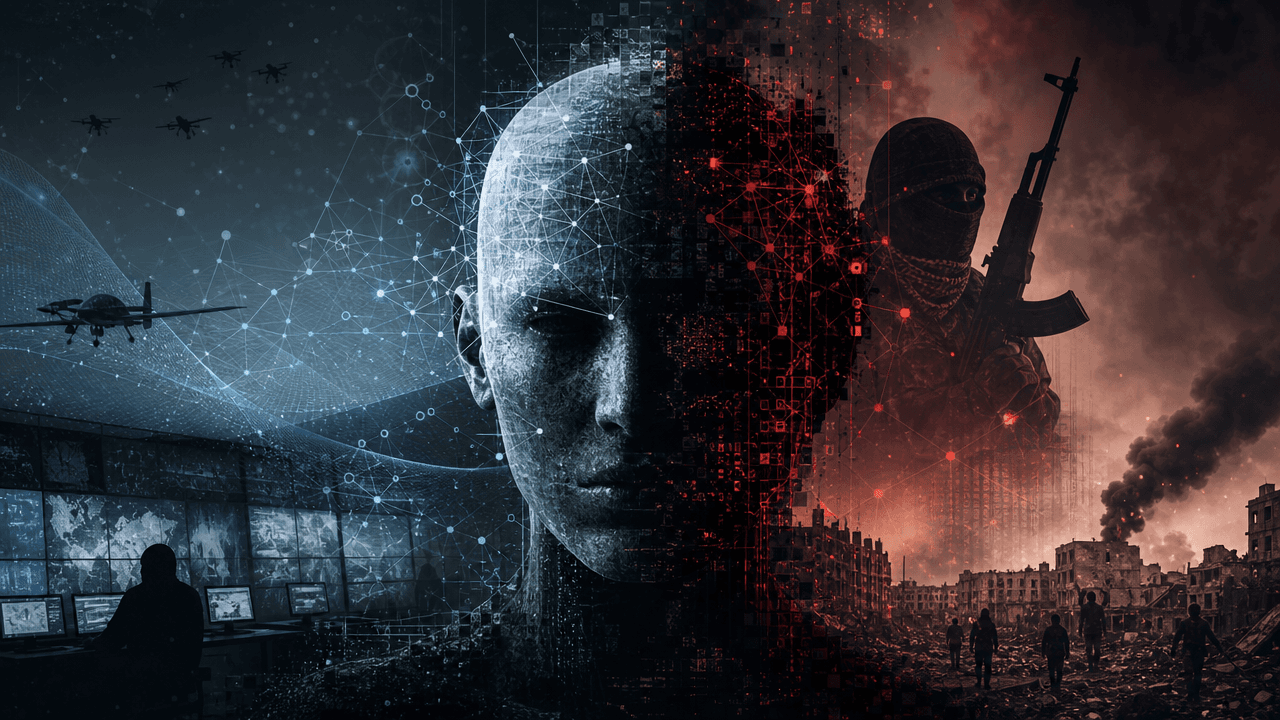
A new research report reveals that the Nigerian terrorist group Boko Haram has begun incorporating artificial intelligence into their operational planning and tactics. The findings, published by [Casp](https://casp.ac/reports/ai-enabled-terrorism), are based on interviews with former members who described using AI systems to optimize attack strategies and reduce casualties among their own fighters.
AI as a Strategic Planning Tool
Former Boko Haram operatives told researchers they used AI to analyze tactical scenarios before executing operations. One interview subject explained how the group traditionally sent large numbers of fighters into combat, often suffering heavy losses. With AI assistance, they learned to deploy smaller, more targeted units that achieved similar objectives with fewer casualties.
The group reportedly used AI systems to calculate optimal force sizes, timing, and approach routes for specific targets. This represents a shift from their previous reliance on overwhelming numbers and brute force tactics to more calculated strategic planning.
Bomb-Making and Technical Applications
The report details how members accessed AI systems to obtain instructions for creating explosive devices. Former fighters described typing questions about bomb construction into AI interfaces and receiving detailed, step-by-step guidance. They characterized these interactions as consulting a "human robot" that provided comprehensive answers to technical questions.
Beyond explosives, the group used AI for physical training scenarios. Members mentioned learning motorcycle jumping techniques for operations requiring rapid movement across terrain obstacles, using AI to calculate distances, speeds, and equipment requirements.
Methodology Questions and Skepticism
The research methodology involved interviews with individuals claiming to be former Boko Haram members, but the verification process for these claims remains unclear. Critics have questioned whether the reported AI capabilities align with what current language models actually provide when prompted with similar requests.
The specific AI systems mentioned in the report are not identified by name or provider. This makes it difficult to assess which models might be vulnerable to these types of queries or what safeguards exist to prevent such usage.
Security Implications
The report highlights a growing challenge for counterterrorism efforts as AI tools become more accessible and sophisticated. Security agencies must now account for the possibility that terrorist groups can access the same planning and analytical capabilities previously available only to well-funded military organizations.
The findings also raise questions about AI safety measures and content filtering systems. If terrorist groups can successfully extract tactical guidance from AI systems, current safeguards may be insufficient to prevent malicious use.
This development pressures both AI companies and security agencies to develop more effective detection and prevention methods. It also demonstrates how widely available AI tools can amplify the capabilities of groups with limited technical resources, making traditional counterterrorism approaches less effective.
