
AI-generated videos to maximally drive a target brain region
New research explores how AI-generated videos can effectively stimulate specific brain regions, enhancing engagement and learning.
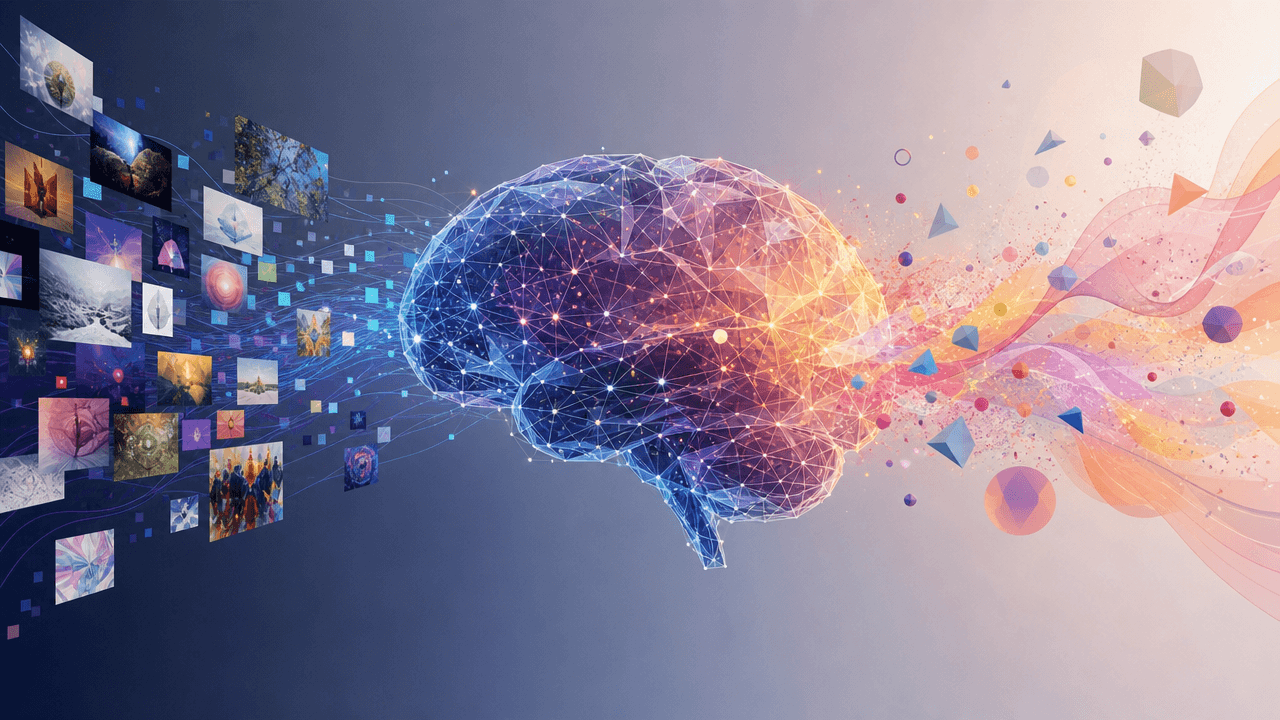
Researchers at EPFL have created AI systems that generate videos designed to maximally activate specific brain regions. The [EPFL Nevo Project](https://nevo-project.epfl.ch/) uses neural networks to produce visual content that targets particular areas of the brain with surgical precision, opening new possibilities for neuroscience research and personalized content delivery.
How Brain-Targeted Videos Work
The system starts by training what researchers call a digital twin of visual brain regions. This encoding model learns to predict how different parts of the visual cortex respond to any given video input. Once trained, the model can work in reverse - generating videos that would produce maximum activation in a chosen brain area.
The AI creates these videos by optimizing visual patterns, colors, movements, and textures that research shows trigger the strongest neural responses in specific regions. Different brain areas respond to different visual features. Area V1 processes basic edges and orientations, while area MT responds to motion patterns, and area V4 handles color and shape processing.
Applications Beyond Social Media Manipulation
While critics worry about potential misuse for creating addictive content, the research has legitimate scientific applications. Neuroscientists can use these targeted videos to study brain function with less experimental bias. Instead of researchers guessing what visual stimuli might activate a brain region, the AI generates optimal test materials.
The technology could also advance treatments for neurological conditions. Targeted visual stimulation might help rehabilitate damaged brain areas or provide new therapeutic approaches for conditions affecting visual processing.
Educational applications represent another frontier. Videos optimized for regions involved in attention, memory formation, or pattern recognition could make learning more efficient. Students struggling with specific cognitive tasks might benefit from content designed to strengthen relevant neural pathways.
The Superstimuli Problem
The research raises concerns about supernormal stimuli - artificial triggers that activate biological responses more intensely than natural stimuli. Social media platforms already excel at surfacing addictive content from millions of existing videos. AI-generated content optimized for maximum neural activation could create far more compelling and potentially harmful material.
Current recommendation algorithms rely on behavioral signals like watch time and engagement. Brain-targeted video generation could bypass conscious decision-making entirely, creating content that captures attention at a neurological level before viewers realize what's happening.
The technology also poses safety questions. Visual patterns that overstimulate certain brain regions might cause seizures in susceptible individuals or create disturbing psychological effects. Some visual stimuli can trigger intense emotional responses or even physical discomfort.
Market Pressures on Traditional Education
This research could make personalized learning experiences significantly cheaper and more accessible. Traditional educational institutions that rely on one-size-fits-all content delivery may face pressure to adopt neuroscience-informed approaches or risk falling behind more targeted alternatives. The technology threatens to make conventional educational content seem as outdated as textbooks compared to interactive digital materials.
